The pre-dawn ritual
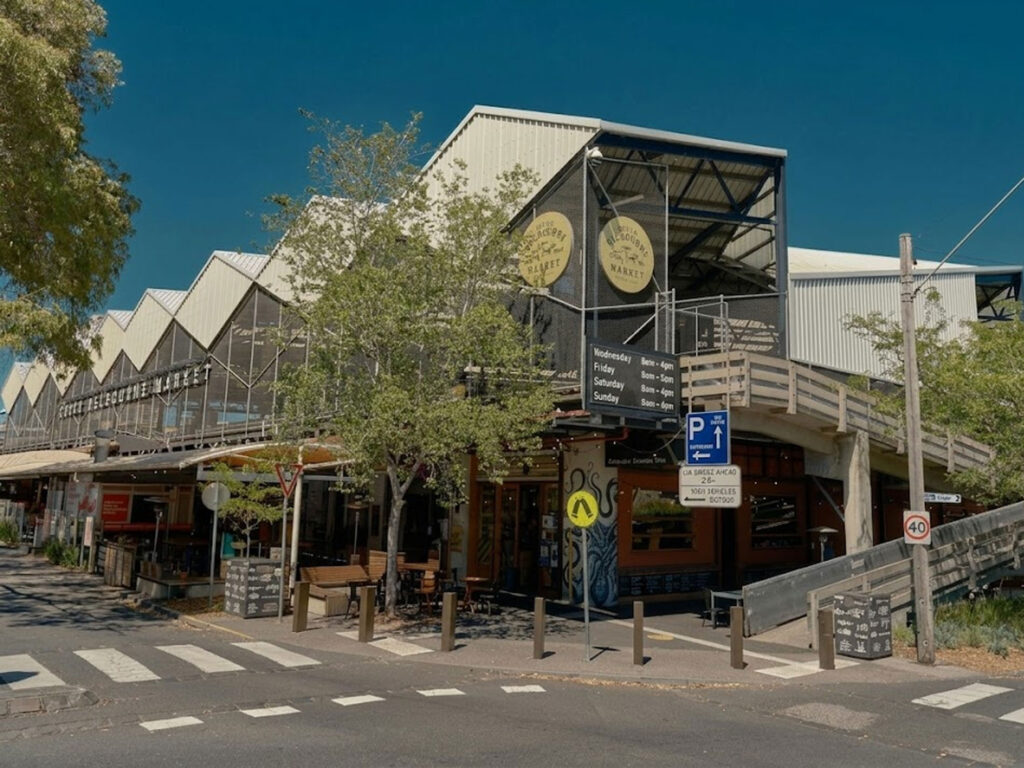
Long before the sun rises over the bay, Cecil Street hums with a quiet, steady rhythm. The heavy roller doors of the South Melbourne Market slide open, revealing a maze of polished concrete and empty stalls. It is four in the morning, and the morning shift begins.
Produce arrives in 20 kg crates, hauled by hands that have performed this exact motion for decades. For the generational vendors, this routine is practically encoded in their bloodline.
Fishmongers arrange beds of crushed ice with architectural precision. Florists sort through buckets of eucalyptus and imported peonies, clipping stems with practiced ease. There is a chill in the air, but the frantic pace of unloading pallets quickly warms the pavilions.
The currency of conversation
By the time the public arrives, the atmosphere shifts from industrial labour to theatrical performance. Stallholders transform into confidants, comedians, and culinary advisors.
A butcher might spend ten minutes explaining how to roast a lamb shoulder, carefully wrapping the cut in brown paper. These interactions are the lifeblood of the aisles.
Regulars do not just come to spend 15 dollars on weekly groceries. They come to be recognised. A florist remembers which customer prefers white hydrangeas for their hallway console.
A greengrocer knows exactly how soft a regular shopper likes their avocados. It is a human exchange large supermarkets are unable to replicate.
The vendors trade in familiar smiles and brief, meaningful check-ins. They watch local children grow up, move away, and eventually return to push their own prams through the crowded lanes.
An enduring community
Working in a market requires a specific type of endurance. The days are physically punishing, often stretching far beyond standard retail hours.
Feet ache from standing on hard floors, and voices grow hoarse from calling out daily specials over the ambient noise. Yet, there is a fierce pride among the people who hold these leases.
They operate side by side, sharing cups of black coffee and swapping change when the registers run low. If a stallholder falls ill, the neighbouring vendors will quietly watch over their stock.
This is a micro-economy built entirely on trust and proximity. The South Melbourne Market remains an institution not because of its historic roof or prime location, but because of the individuals standing behind the counters.
They are the constant keepers of community, serving up fresh produce and grounding connections daily.