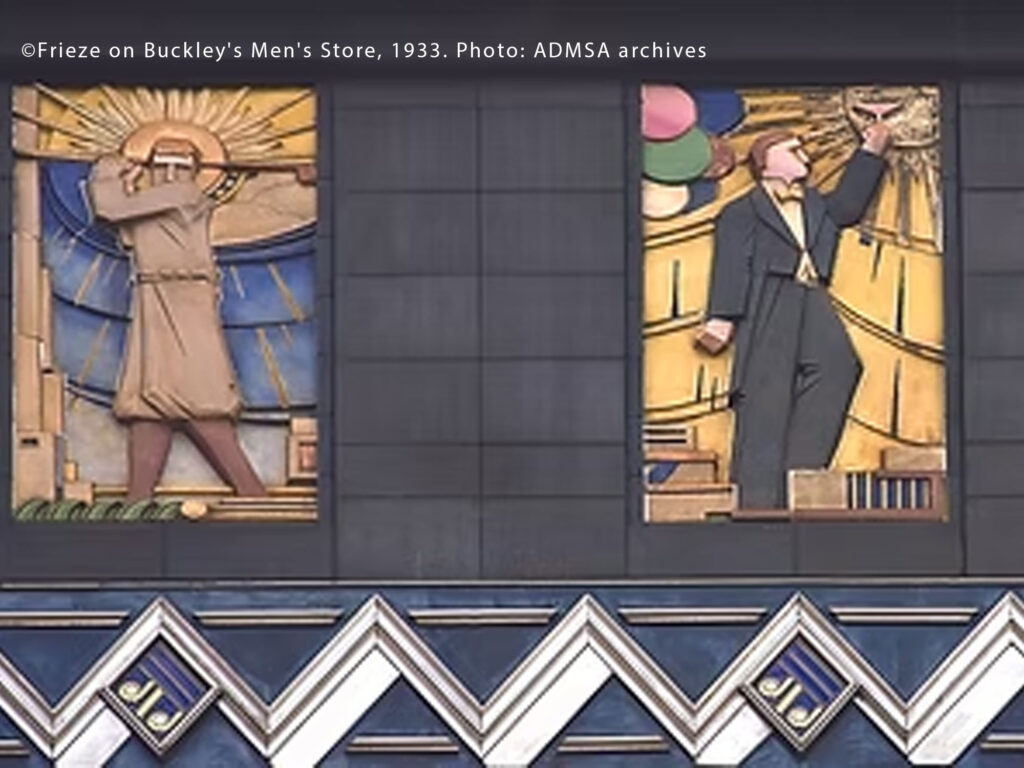
Robin Grow walks the streets of Melbourne with his eyes fixed on the rooflines. As the long-time President of the Art Deco & Modernism Society of Australia, he sees beyond the everyday brick and mortar. He sees the human ambition of the 1930s, captured in geometric patterns, terra cotta tiles, and curved balconies. His work focuses on the preservation of these historic spaces, ensuring that the characters and communities of the past are not erased by modern development.
Through his extensive research and his award-winning book, Melbourne Art Deco, published on the 1st of May 2009, Robin documents how a conservative colonial outpost transformed into a city of international design. Following the devastation of World War I and the Spanish Flu pandemic, Melbourne struggled to find its footing. However, the centenary celebrations of 1934 brought an influx of capital and a renewed sense of optimism. Robin notes that form follows finance, and soon, a relatively dull skyline began to adopt the bold, contemporary style of the era. Young designers broke free from conservative traditions to shape a completely new visual identity for the streets.
A seaside architectural shift
While the city centre saw the rise of magnificent retail palaces and towering commercial buildings, a parallel social shift happened along the suburban tram lines. Families and young professionals began moving towards the coast, seeking fresh air and a new way of living. Located just a seven km tram ride from the main business district, St. Kilda became a prime destination for this architectural revolution. People preferred the ease of domestic life near the water, leading to a sudden surge in apartment living throughout the area.
Robin highlights that the residential buildings in St. Kilda were predominantly designed as three-storey walk-ups. Architects deliberately kept the structural height low to avoid the significant expense of installing commercial elevators. Rent for a modest seaside flat during this early period might have been just three dollars a week. Despite these strict budget constraints, the new structures lacked nothing in sophistication or style. Developers incorporated striking aesthetic details into the everyday designs:
- Cream brick facades that offered a clean, modern exterior.
- Bold, flat plate-metal lettering to elegantly announce the name of the property.
- Distinctive rounded corners associated with the popular Streamline Moderne movement.
These elegant apartments offered an affordable yet highly dignified lifestyle for the everyday resident of Victoria.
Guarding the character of the community
Today, St. Kilda retains an enormous collection of these beautifully crafted interwar apartments, and they remain highly prized on the local real estate market. However, their continued survival is no accident. It is the direct result of passionate heritage advocates like Robin. He understands that a suburb loses its unique identity when it loses its physical history. By actively fighting to landmark these residential blocks, he protects the very soul of the coastal neighbourhood.
Robin regularly presents his preservation findings at local, national, and international conferences, sharing the unique architectural narrative of his home city. He also serves as the Vice-President of the International Coalition of Art Deco Societies, overseeing vital preservation activities worldwide. Through these prominent leadership roles, he connects the local streets of Victoria to a global community of historians, urban planners, and design enthusiasts.
Original reporting on these interwar treasures by Robin Grow for the Art Deco Society of New York continues to educate the public on the importance of these structures. The tireless efforts of the Art Deco & Modernism Society of Australia mean that the familiar streets of St. Kilda will keep their historic charm for decades to come. The lifelong work of Robin Grow ensures that future generations can continue to appreciate the bold visions of the 1930s. The enduring presence of these elegant, three-storey flats offers a permanent connection to the individuals who first built them, allowing the human stories of the interwar years to live on in the modern era.