Foundation of a food economy
European migrants laid the initial groundwork for the contemporary dining sector in the mid-twentieth century, with institutions such as Cavallaro and Sons trading continuously for decades by passing traditional Sicilian pastry techniques down through the family line. These legacy businesses demonstrate how a focused retail offering can generate long-term financial stability. Their ongoing survival relies entirely on a loyal local customer base and an unwavering commitment to quality ingredients.
Subsequent waves of migration introduced robust East African and Southeast Asian commercial footprints to the neighbourhood. Authentic Ethiopian restaurants like Ras Dashen offer communal dining formats that draw dedicated patrons from across the wider metropolitan area as customers gather around large platters of sour injera bread to share slow-cooked meats and highly spiced legumes. These establishments provide a built-in customer base for the diaspora community while simultaneously attracting new broader market interest.
Scaling cultural traditions
Nearby, traditional Vietnamese bakeries such as Nhu Lan generate constant daily foot traffic, moving high volumes of fresh bread and roasted meats. By perfecting a highly efficient production model, these operators turn the humble pork roll into a remarkably profitable and consistent enterprise. They prove that fast service and low overheads can result in sustained commercial success.
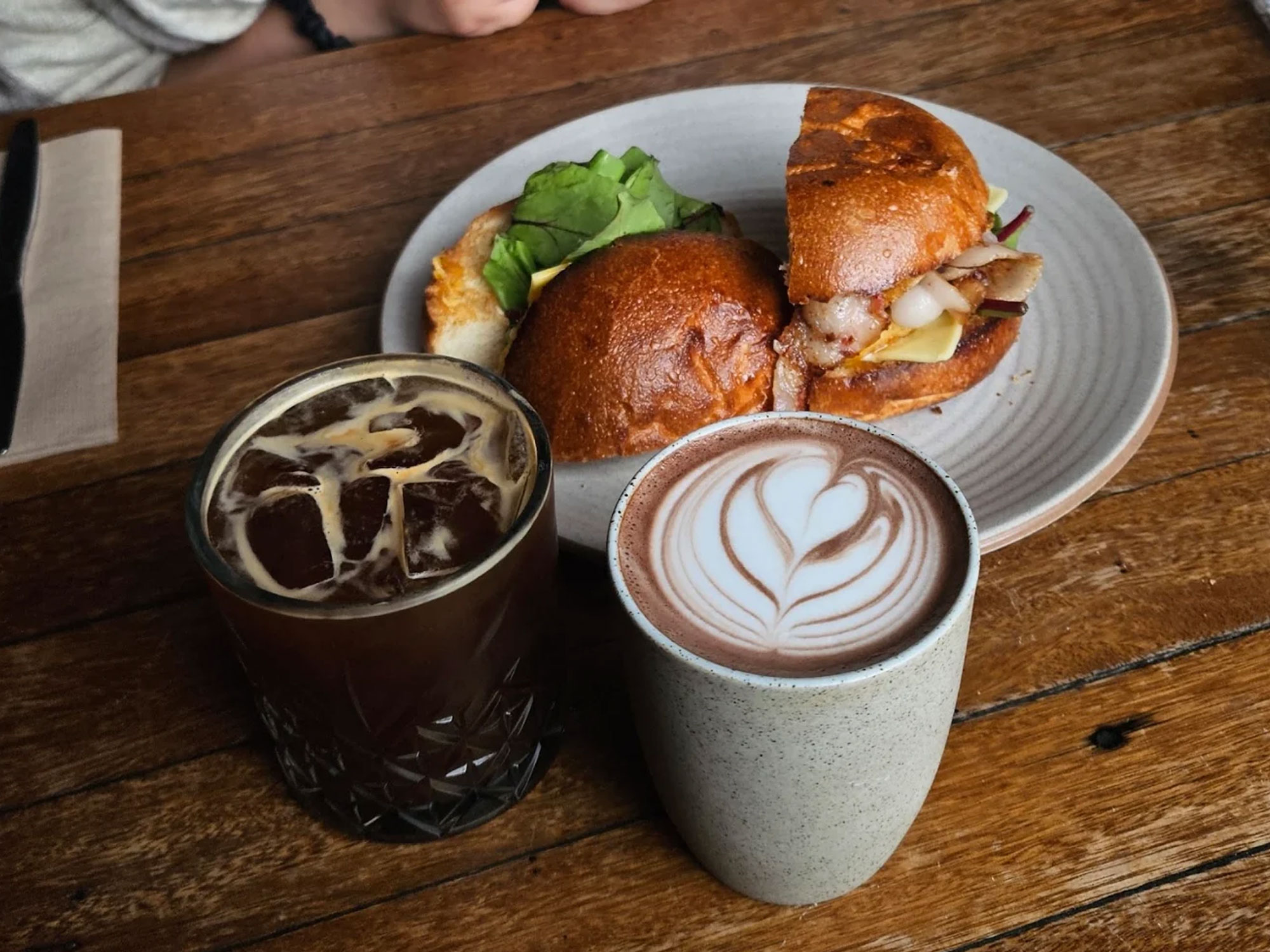
Today, a younger generation of business owners is successfully blending cultural heritage with contemporary cafe models. Migrant Coffee, co-owned by Melodee Malazarte and Stacey Earsman, exemplifies this modern entrepreneurial approach by incorporating Filipino, Thai, and Pasifika flavour profiles into a popular morning menu. Their venue serves as both a financial triumph and a welcoming community space, championing inclusive representation within the competitive hospitality industry.
Modern models of success
Opening any food venue inherently requires immense personal sacrifice and substantial financial risk. Yet, the resilient food entrepreneurs in Footscray continue to build durable operations that withstand external economic pressures. They understand that authentic cultural connection, fair pricing, and reliable daily service are the most valuable currencies in a crowded market.
These independent grocers, bakers, and restaurateurs do far more than feed the local residential population. They provide essential local employment, revitalise dormant commercial strips, and attract external retail spending to the western suburbs. As the municipal demographic continues to evolve, these visionary food entrepreneurs remain the fundamental engines of regional prosperity.