The brewing industry is quietly transforming the backstreets of Melbourne’s inner north, with independent brewers turning former industrial sites into community meeting points. These businesses are driven by a passion for quality ingredients, sustainable practices, and local collaboration. Brunswick craft beer breweries offer a template for modern hospitality, proving that manufacturing can still thrive in a residential suburb.
The neighbourhood living room
Far removed from massive commercial operations, microbreweries operate on a human scale and focus on direct relationships with their patrons. According to the industry publication The Crafty Pint, this highly localised approach allows small operators to experiment with seasonal flavours and unique brewing techniques. Patrons can watch the production process from their tables, creating a transparent link between the maker and the consumer.
Inner North Brewing Company demonstrates this philosophy perfectly. Found on a quiet residential road, the venue occupies a converted cold works building from the 1960s. Founder Zack Skerritt removed the low ceilings to reveal a spacious tin roof, flooding the room with natural light.
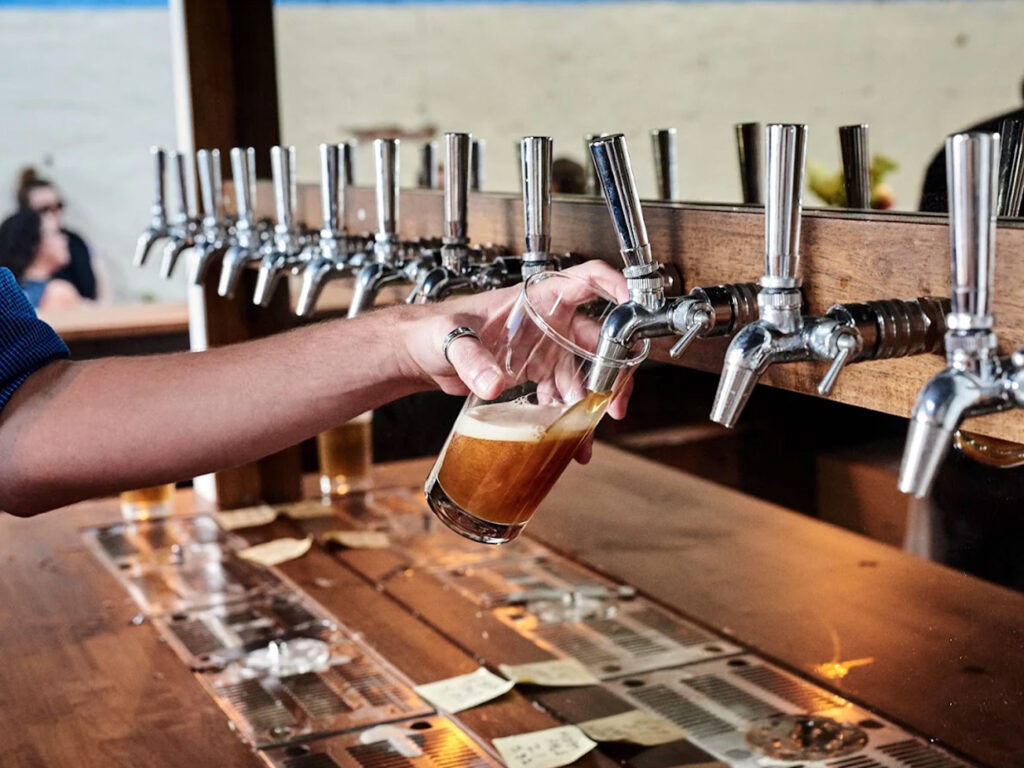
The operation features an 800 litre brewhouse and 12 rotating taps. Reviewers on the platform Untappd frequently note the welcoming atmosphere, which is enhanced by indoor plants and communal seating. The venue does not operate its own kitchen, choosing instead to partner with nearby food trucks and local entrepreneurs.
Collaboration and commerce
A short walk away on Victoria Street, Co-Conspirators Brewing Company highlights the power of partnership. The business began as a passion project between two couples before evolving into a permanent fixture in the local retail landscape. Their expansive brewpub accommodates up to 200 guests and features 24 taps pouring fresh ales and lagers.
The founders built their reputation on collaborative brewing, frequently partnering with other independent makers to share knowledge and resources. This cooperative model strengthens the local economy, as visitors often purchase meals from independent eateries or shop at nearby boutiques. A simple tasting paddle, which might cost around 25 dollars, supports a wide network of local suppliers, farmers, and artisans.
Sustaining the craft
These establishments represent more than just places to consume beverages. They function as the social engines of the suburb, employing local residents and fostering a strong sense of place. The brewers also invest heavily in environmentally friendly infrastructure, utilising solar panels and spent grain recycling programmes.
By prioritising quality over volume, local brewers are securing a sustainable future for urban manufacturing. They demonstrate how industrial properties can find renewed purpose without losing their working character. Their success proves that thoughtful and collaborative business models can flourish in a competitive market.